
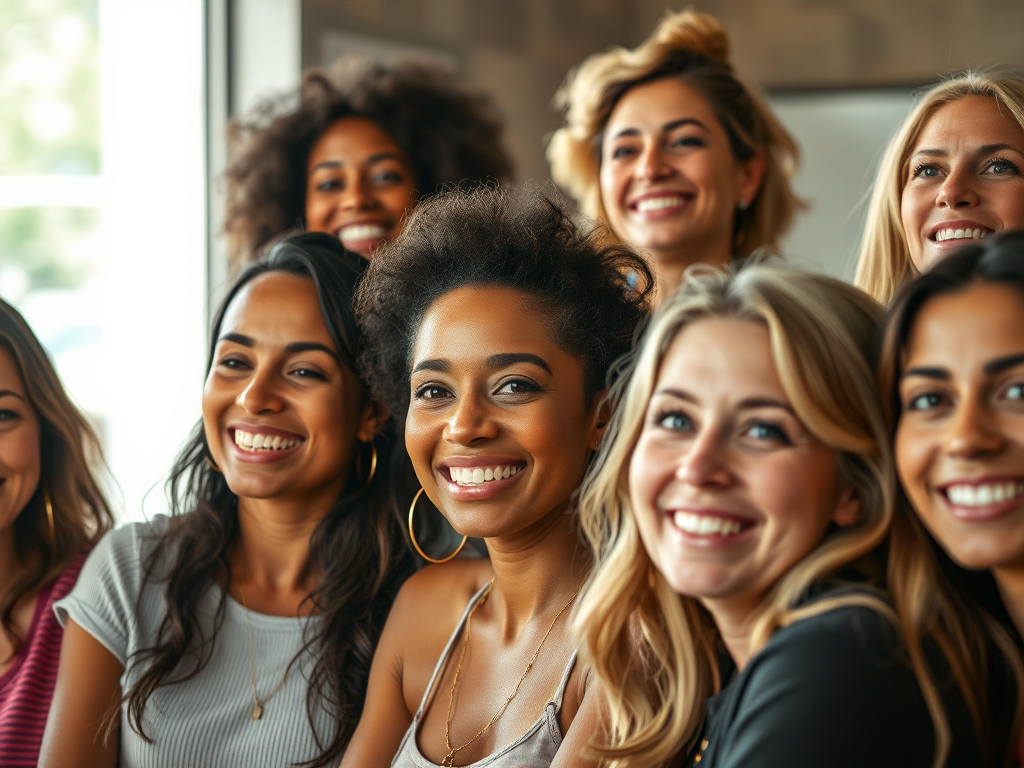
It is International Women’s Day (IWD) today. International Women’s Day (IWD) has been around since 1911. Many of the issues still impacting women’s advancement remain the same and unchallenged. IWD belongs to all who care about gender equality.
UNwomen has labelled 2026 IWD as “Rights. Justice. Action.” It has highlighted that women only have 64% the legal rights of men. Women face more barriers accessing justice than men. “Without justice, rights are just words. With justice, rights become power.” (1).
Ambassador Holland, in Vienna on 5th March 2026, said, “It is a call to action — to defend the gains already made, confront the challenges ahead, and accelerate efforts to build a region where every woman and girl can live free from violence, fear and discrimination, and where their full participation is recognised as indispensable to our shared security.” of the OSCE nations. (2).
However, women’s health has historically been sidelined. This is something we must challenge as this affects our safety and treatment.
For decades, clinical trials primarily used male subjects, assuming female bodies would respond in the same way to treatments.
Heart disease was considered a “man’s disease”. It is the leading cause of death in the world for women. Women are more likely to experience “atypical” heart attack symptoms like fatigue, nausea, or jaw pain, leading to slower diagnosis times.
Approximately 75% to 80% of people living with autoimmune diseases are women.
Women are disproportionately affected by certain mental health conditions, including depression and anxiety disorders, which are very common.
Women’s pain is more likely to be dismissed or undertreated in emergency settings.
The future of medicine is not “one size fits all.”
There is the need to improve access to healthcare, address gender disparities in research and treatment, and empower women with the knowledge needed to make informed decisions about their health. To improve women’s health outcomes one strategy is through education.
On International Women’s Day, healthcare professionals, policymakers, and communities are reminded that improving women’s health is necessary for social and economic improvement, not just a medical priority.
Healthy women contribute to healthier families, stronger communities, and more resilient societies.